Creating A Travel Experience That Keeps People Coming Back For More
The following exert is from an interview with Savio P. Clemente of Authority Magazine.
As part of my series about “How To Create A Travel Experience That Keeps People Coming Back For More”, I had the pleasure of interviewing Richard Swain.
Richard Swain is a Partner at Further, a global creative agency focused on the defining moments that turn brands into cultural forces. He co-leads the New York office, working with global brands including AirBnb, British Airways, Uber and Virgin. As a brand strategist, Richard has helped launch sports teams and startup unicorns, brought clarity and focus to businesses following periods of M&A, and repositioned some of the world’s most recognizable brands.
As a sports-mad teenager growing up in the U.K., I’d always liked the idea of becoming a sports psychologist. That is until I stumbled upon Creative Advertising by Mario Pricken. I vividly remember flicking through every glorious page, unable to decode what I was seeing yet recognizing the creativity behind it knowing that one day I wanted to be part of this world.
Fast-forward seven years, a college degree, and several agency- and brand-side internships, I landed a job at Landor in Sydney, Australia. It wasn’t a straight forward path. I graduated in 2008 a few months before the global financial crisis, took a job in London at a recruitment agency purely to pay my rent, and was then given the unusual opportunity to transfer to their Sydney office.
Once there, I gave it a year, then reached out to everyone I’d met in those first 12 months to share my true aspiration: join a creative agency. Armed with a dissertation on the emergence of Black Americans in U.S. print advertising, a handful of references, and my Pricken book, I threw everything into my pitch.
The then–Managing Director of Landor Sydney, Nick Foley, was the only person to return my call, which led to a series of interviews, an assignment, and an eventual job offer. Fifteen-plus years later, I can still conjure the exact image and elated feeling of hearing, “We’d like to offer you the job.”
Can you share the most interesting story that happened to you since you started your career?
A few years ago, we were sitting down to dinner at our work holiday party when I got a call from our client at LIV Golf. About 30 minutes earlier, ESPN had broken the story that Jon Rahm was joining the upstart league. Our client asked if we could be at the Park Hyatt to run a brand workshop following his first press conference the next morning. The league was set to shoot its new season promo the first week in January, which meant we had around ten working days to develop a positioning, name, and identity for his new team.
The race was on. We didn’t know it at the outset, but beyond being one of the best golfers in the world, Jon also holds a bachelor’s degree in marketing — a gift from the branding gods. Anyone who has worked with athletes knows they’re not always easy to work with.
Thanks to Jon’s background, the skills and talent of our team at Further, and the stewardship of our client, Will, we were able to develop Legion XIII on schedule. They went on to win the team championship that year and quickly became a fan favorite on the tour.
Can you share a story about the funniest mistake you made when you were first starting?
Can you tell us what lesson you learned from that?
I once tried to redesign the logo for the London Underground. I was an intern at Saatchi & Saatchi, supporting a project for the poor person assigned to babysit me.
I’m not sure if Transport for London was officially the client, but a wholesale logo redesign certainly wasn’t part of my brief — not least because the roundel is over 100 years old and one of the most iconic marks in the world, and I’m not a trained graphic designer.
Whether down to ignorance or enthusiasm, it was very embarrassing. But it taught me to question any brief I’m given and make sure I understand every ounce of it before I sit down to tackle it.
None of us are able to achieve success without some help along the way.
Is there a particular person who you are grateful towards who helped get you to where you are? Can you share a story?
I was fortunate enough to work for a number of years directly with Thomas Ordahl, the Global Chief Strategy Officer at Landor. Like many great leaders, Thomas coached on the job, never waiting to share feedback (positive or negative) but always constructive.
I remember one such occasion, following a workshop with a multi-national logistics company, where he pulled me aside and said I’d gone too easy on the client. “Richard, the role of a strategist is to share hard truths…as soon as you start sugar coating or pandering you surrender the value you bring as an outside counsel”. That message was something that stuck with me and is, hopefully, something I’ve passed on to many aspiring brand strategists since.
Can you share with our readers about the innovations that you are bringing to the travel and hospitality industries?
With consumers increasingly turning to aggregators to book travel, and using AI tools like ChatGPT to plan itineraries, many travel brands are losing a valuable engagement channel: the owned digital experience. Connecting with people before they board a flight or step into a hotel is vital for turning one-time visitors into loyal customers. It lets brands shape the full journey and offer more personalized experiences.
When rebranding Scott’s Cheap Flights as Going, we set ourselves the goal of making the search and booking process as fun as the vacation itself. For example, based on the brand proposition of “Inviting the unexpected,” we designed an interaction around spinning a globe, which lives through the experience and is also used as a distinctive asset in marketing channels.
As more experiences evolve from purely visual to multi-sensory, we’re working with travel brands like Eurostar to create far richer design systems, including those with distinctive auditory cues that help customers navigate and create ownable brand equity.
Which “pain point” are you trying to address by introducing this innovation and how do you envision that this might disrupt the status quo?
Many client conversations center on removing friction while making the experience more personal. Sometimes those goals align; other times they compete.
We’ve all been there: trying to check in or out while being peppered with questions that might improve your stay but, in the moment, feel like punishment. By owning the experience, you can audit the journey and identify lean-in vs. lean-out moments based on traveler priorities — something we’ve done successfully with European travel operator, TUI Group.
With a recent luxury hotel chain, we focused on capturing key preferences prior to travel. Luckily for us, this was already part of the culture. We helped imagine digital tools to further codify it. For boutique group The Other House, which targets frequent travelers, we focused on making the experience feel familiar, with cues that made them “feel like a resident”. For example, we named all the corridors, so instead of a generic room number, guests would stay at a specific address.
As you know, COVID19 changed the world as we know it.
Can you share a few examples of how travel and hospitality companies will be adjusting over the next five years to the new ways that consumers will prefer to travel?
One big shift accelerated by COVID was the rise of contactless interactions, biometrics, and digital identity for enhanced safety and speed. You see it at airports like J.F.K, here in New York, and now at theme parks like Shanghai Disneyland, which uses facial recognition for annual pass holders to speed entry.
I recently stayed at the Ruby Stella Hotel on a business trip to London. They leverage contactless check-in to operate without a traditional reception desk. This allows more room for common spaces for guests to relax or work in. I expect to see more of this in the future, particularly at budget and mid-priced hotels looking to minimize operating costs.
Conversely, I expect human interaction to become even more important in premium stays. It’s not that they won’t use data; they’ll use it for elevated moments — e.g., offering custom wellness guidance, supplements, and food recommendations based on live health and sleep data (with the guest’s permission via a connected wearable).
You are a “travel insider”. How would you describe your “perfect vacatioN experience”?
In recent years, I’ve come to love outdoor hiking trips bookended with city breaks. Norway’s Lofoten Islands with a layover in Oslo. Patagonia with a stopover in Buenos Aires. Yakushima in Japan with a few days in Tokyo. For me, this gives you the best of both worlds: an active escape with a dash of city culture.
Travel is not always about escaping, but about connecting. Have you made efforts to cultivate a more wellness driven experience?
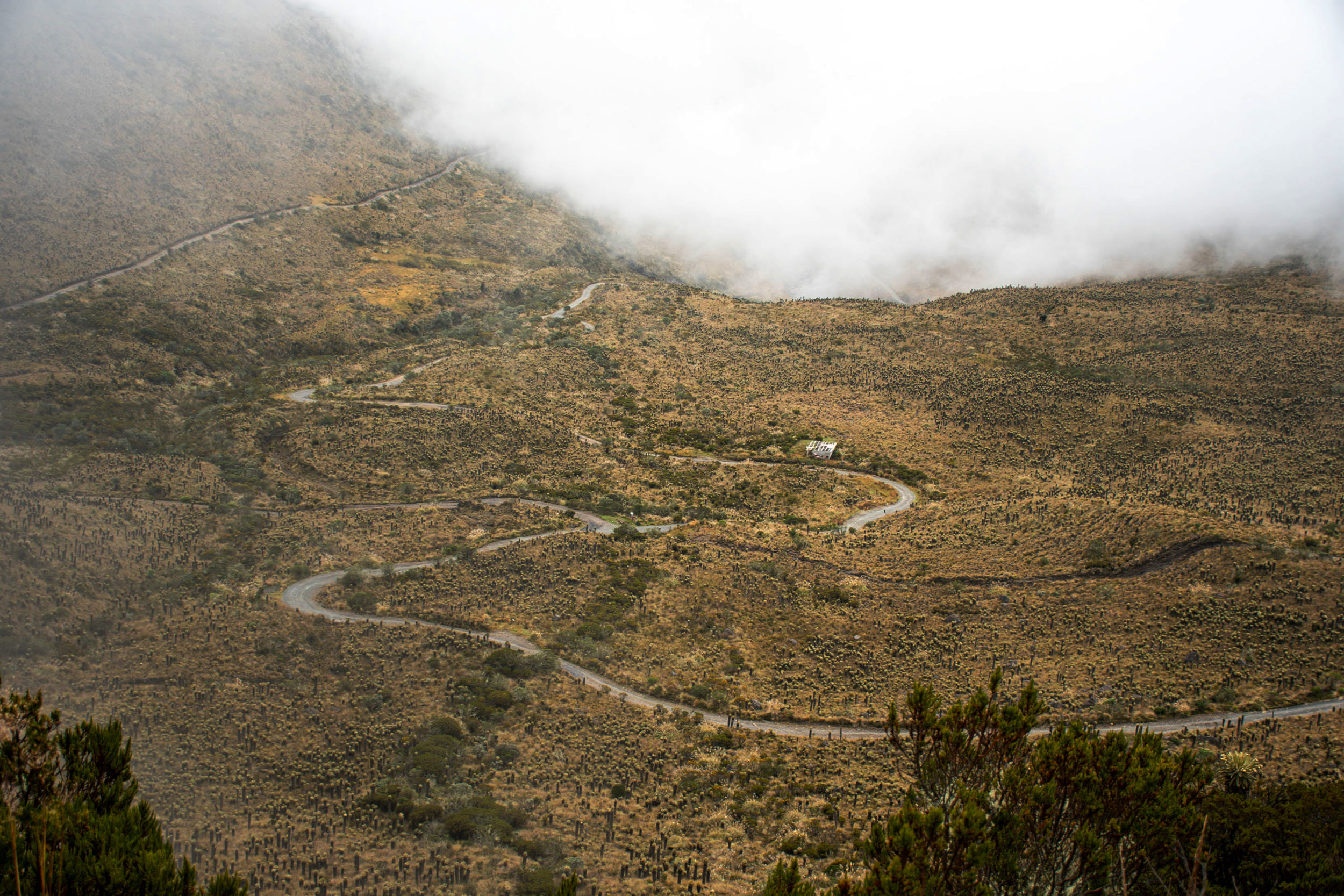
I just returned from a bike trip with friends in Colombia with this fantastic local cycling company, Colombici. It was this in a nutshell. Hours on the road together while staying fit and experiencing the food and culture of a new country.
One thing I now try to avoid is the hybrid work-travel-work setup — tacking remote work onto a vacation. You end up being neither a good worker nor a good traveler.

Based on your experience and success, what are the five most important things one should know in order to create a travel experience that keeps bringing people back for more?
- Connect travelers to real people. In recent years, brands like Airbnb and GetYourGuide have shifted their brands to connect guests with local hosts and expert-led activities. When I visited Yakushima last year, having a personal guide who shared stories of the island’s culture and wildlife transformed the experience from a hike into a lifetime memory.
- Ensure safety is baked in. The best brands make safety feel intuitive, not intrusive. Citymapper’s “Main Roads at Night” feature is a perfect example of this. It quietly helps users choose safer routes after dark without making it a chore. When people feel protected without being reminded of the risks, they travel with more confidence.
- Empower with information. Great experiences come from giving travelers control, not instructions. Showing crowd levels, for instance, lets people decide whether they want calm or buzz — maybe avoiding an overrun landmark, or timing their arrival at a bar just as the energy builds.
- Remember and reward. Loyalty isn’t built on points alone, it’s built on recognition. Delta’s app does this brilliantly, offering real-time updates on boarding, bag tracking, and flight changes regardless of your status. It’s a small thing, but it tells travelers, we see you, we’ve got you covered.
- Integrate with value-added partners. The best travel experiences exist in ecosystems, not silos. United Airlines’ integration with Lyft, or Airbnb’s partnership with Strava around “run-cations,” both signal they understand that a single transaction is always part of a wider journey.
Can you share with our readers how you have used your success to bring goodness to the world?
Education (both my parents were teachers) has always been close to my heart. I’ve been a frequent guest lecturer at the Hotel School at Columbia University. But the thing I’m most proud of is co-creating the Huge × Stoked design thinking program, which provided 500+ students with 3,000 hours of mentorship and education in branding and design over three years.
You are a person of great influence. If you could start a movement that would bring the most amount of good to the most amount of people, what would that be?
I’d start a movement to encourage people to explore beyond the usual suspects featured on Instagram & TikTok. Overtourism has become a real issue in recent years and I think it’s a shame because there are so many brilliant places and experiences out there just waiting to be discovered.
About The Interviewer: Savio P. Clemente, TEDx speaker and Stage 3 cancer survivor, infuses transformative insights into every article. His journey battling cancer fuels a mission to empower survivors and industry leaders towards living a truly healthy, wealthy, and wise lifestyle. As a Board-Certified Wellness Coach (NBC-HWC, ACC), Savio guides readers to embrace self-discovery and rewrite narratives by loving their inner stranger, as outlined in his acclaimed TEDx talk: “7 Minutes to Wellness: How to Love Your Inner Stranger.” From his best-selling book to his impactful work as a media journalist covering resilience and wellness trends with notable celebrities and TV personalities, Savio’s words touch countless lives. His philosophy, “to know thyself is to heal thyself,” resonates in every piece.
.png)
.png)