Our First Resident
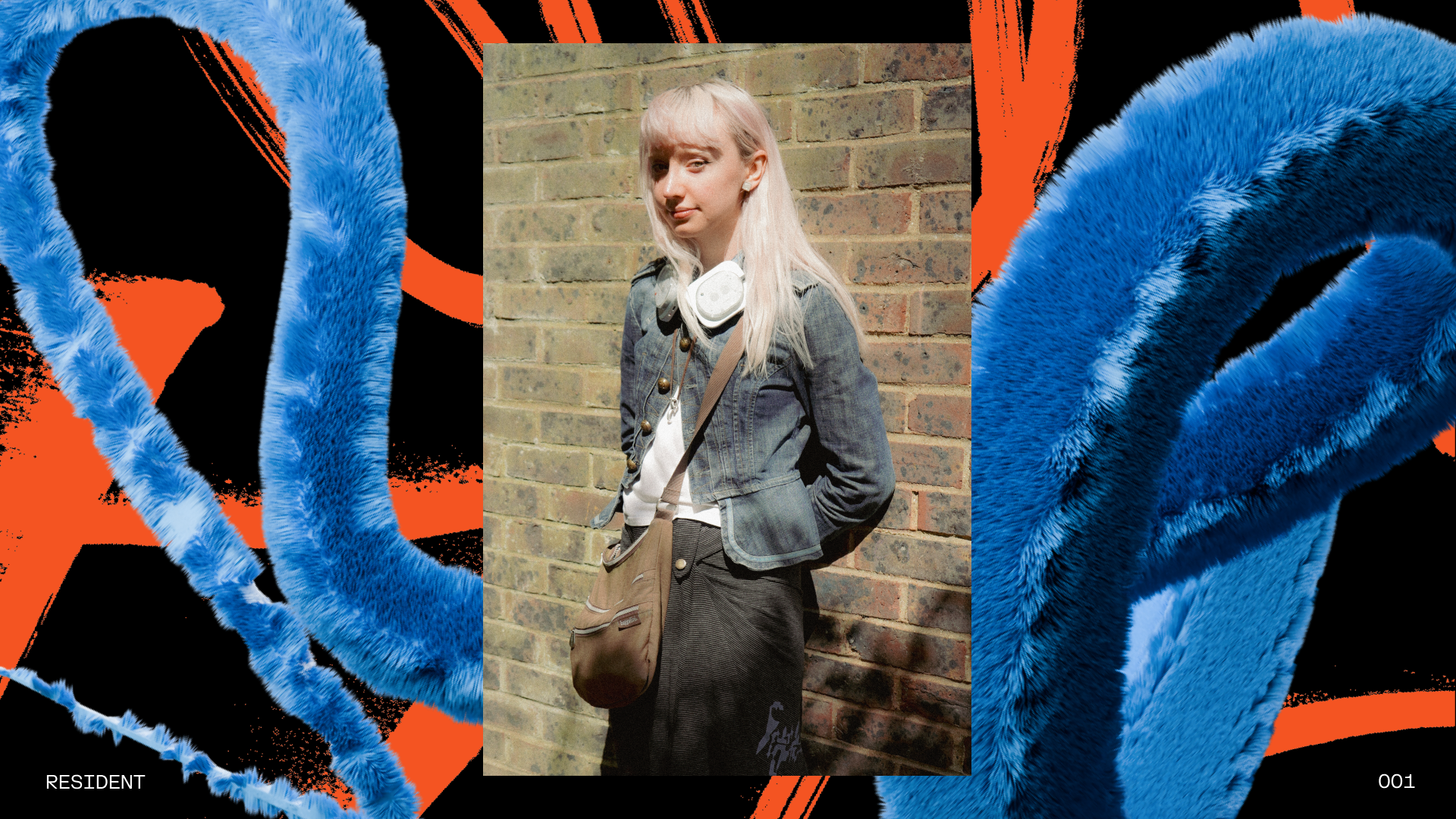
“If the residency sounds like a good fit for you, send in your portfolio and see where it takes you!"
Sophie Richardson, tells us about her experience as the first graduate of the Further Residency Programme.
Sophie Richardson is a London-based creative technologist. In 2025, she took part in the Further Residency, a three-month programme that helps emerging talent hone their skills and gain valuable professional experience in the creative industries.
Since completing her residency, Sophie has become a permanent member of the Further team, bringing her considerable talents to some of our most high-profile projects. We recently sat down with her to hear more about her work and time at Further.
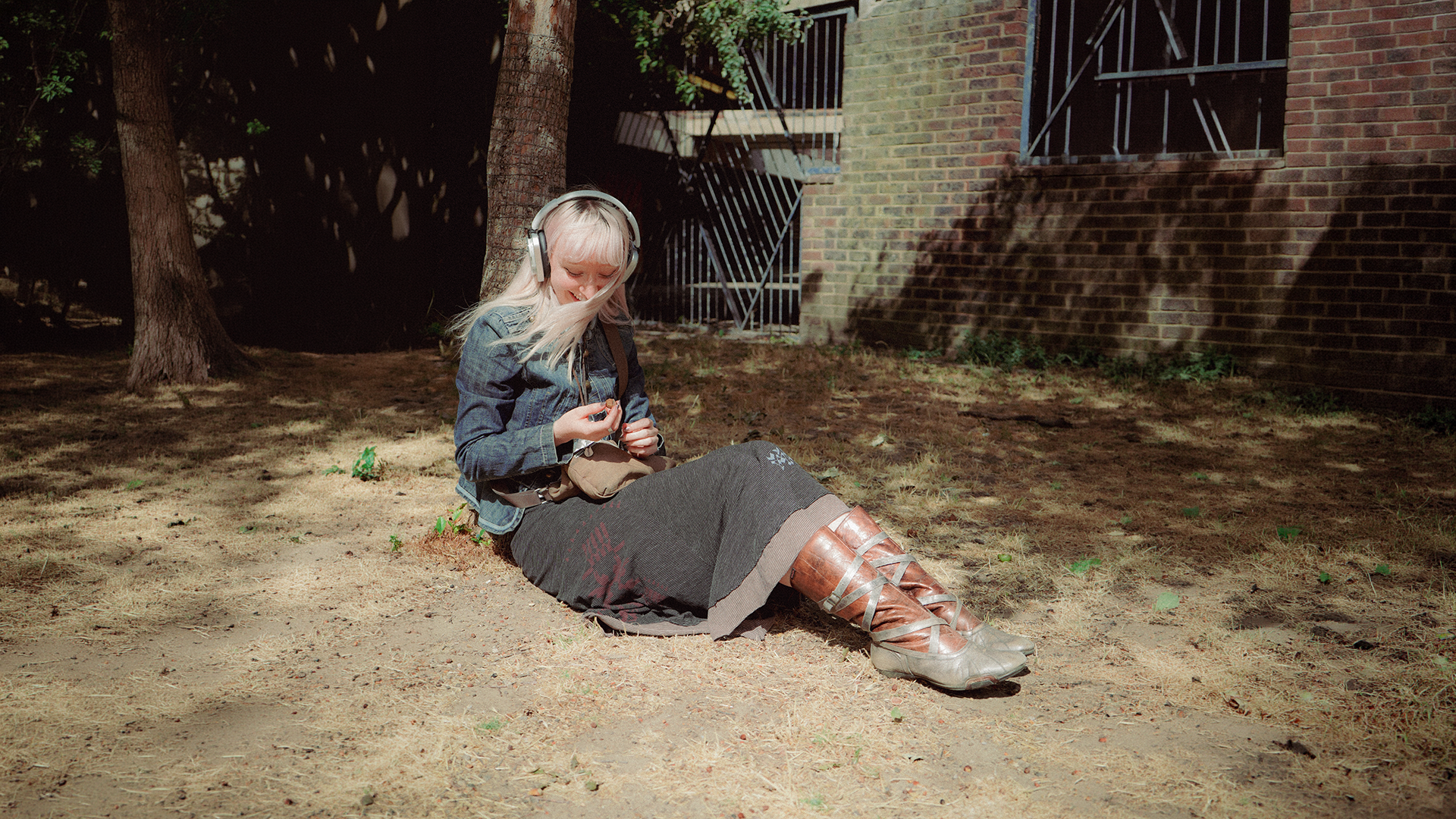
FURTHER - Hey Sophie. To begin, tell us a little bit about yourself.
I graduated from Central Saint Martins in 2025 with a degree in Fashion Promotion and Communication, before developing my portfolio and applying for the Further residency.
During my time at university, my work gradually evolved from being very fashion-focused to becoming more centred around technology and 3D. This growing interest in technology eventually led me towards creative technology and, ultimately, to Further.
F. How did you find out about the Residency?
I’d been following Further on Instagram since the DesignStudio days, so when I saw a post about the residency, I sent over a link to my portfolio and kept my fingers crossed that the team would be interested in my work.
F. We’re so glad you did! Can you tell us about some of your favourite projects from your residency?
I got to be part of such a wide range of projects that different ones stand out to me for different reasons. One of my first projects was for a fintech brand, where I helped build a voice-reactive generator to visualise their AI assistant. On another project, I 3D-scanned physical objects and brought them into TouchDesigner to create interactive textures.
I really enjoyed being able to move between different tools and ways of working depending on the brief. That variety was one of my favourite things about the residency, as it gave me the opportunity to keep learning and explore technologies I hadn’t worked with before.
F. Yes, that’s one of the things we want the residency to provide, a chance to explore new ideas and approaches.
What else did you take away from it?
The residency really taught me not to be too precious with my work. The programme is designed around quick R&D and iteration, so even the simplest sketches can open up new ways into a brief or lead to completely different ways of thinking. Some experiments will work and others won’t, but either way, the feedback you receive helps you develop the work and move forward much faster.
F. That’s such an important lesson - not being afraid to try things, because even if something doesn’t work out, you can still learn a lot from it.
Can you say a little about an experiment that didn’t work out as planned?
My favourite experiment that didn’t quite work was a sketch where the type was transformed and stretched depending on where the cursor was on the screen. It was a fun experiment and I liked how responsive and playful the typography became, but it ended up being slightly too playful for the brief. Even though it didn’t make the final cut, I enjoyed the process of pushing typography in a more interactive direction.
F. When you applied for the residency, it was your portfolio that first caught our attention.
If you had to pick a favourite piece of work from it, what would you go for?
My favourite project is probably my most recent: I’ve just built my own cyberdeck, a portable DIY computer setup. The term ‘cyberdeck’ comes from William Gibson’s Neuromancer, where hackers access cyberspace through equipment connected to their brains. While my cyberdeck isn’t quite wired to my brain, it takes inspiration from the novel’s imagined hardware and reinterprets it in my own style.
I modelled and 3D-printed the case using a clear resin derived from fermented sugarcane, with a Raspberry Pi 4B as its base component. I’m particularly interested in the way projects like this allow technology to become something more personal and tangible, rather than something we simply buy and consume.

F. Final question - what advice would you give to anyone considering applying for the residency?
My advice would be to just go for it!!!! The team is interested in seeing your process and the way you think, so including evidence of your working process in your portfolio is really helpful. I’d also say not to overthink it too much — if the residency sounds like a good fit for you, send in your portfolio and see where it takes you!
We’re currently accepting applications for our next residency. You can find more information on how to apply by clicking here.


.png)